Safety & emergencies
Scams and crime prevention in Chiang Mai
Responding to impersonation calls, social-media payment demands and investment approaches.
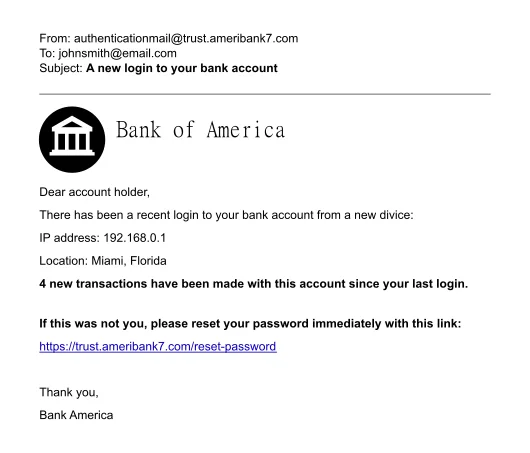
Start with these three things
- Do not identify a caller claiming to be police or consular staff solely by the displayed number or their clothing. Japan's Ministry of Foreign Affairs warns about impersonation.
- Do not send money or personal information to a suspicious contact. End the conversation and verify the claim through an official channel.
- Be cautious about requests for money from someone met through social media and extra charges supposedly needed to withdraw profits.
Steps
"Tip" marks a planning suggestion, not an official rule.
- On a suspicious call, ask for the caller's organization and name, then hang up.
- Tip Open a familiar official website or app yourself rather than following a link in the message.
- Until you have verified the claim, do not provide money or personal information, and speak with family or someone you trust.
- Tip If you have already paid, ask your bank or payment provider through its official channel about stopping the transaction and reporting the problem.
- Tip Save conversations, payment records and the other person's account details for a police report.
What to prepare
Planning tips (not official rules)
- Note when contact occurred, the organization claimed and what was requested.
- Keep the payment destination, amount, transaction number and message screenshots. Do not spread personal information in public posts.
- Agree with family to end unexpected conversations about money and call back using a known contact number.
Where to ask
Police and the official service of the financial institution used
Reception hours are not yet confirmed. Check with the office before visiting.
Things to watch for
- A displayed number belonging to a real organization can still be spoofed.
- Japan's Ministry of Foreign Affairs warns that video or voices may be faked with AI or other technology, even when they appear convincing.
Contacts claiming to be public authorities
The ministry's warnings describe impersonation of police, embassies and consulates. Stating an organization does not establish that the person works there.
Planning tips (not official rules)
Pause the conversation even if told to keep it secret or act immediately. If you are worried about a relative, verify through their usual contact details rather than only a number supplied by the caller.
Money requests after a relationship develops
Warnings about international romance scams describe demands for travel or medical expenses from someone not met in person, and requests for more funds based on fabricated profits.
Planning tips (not official rules)
Even if the relationship feels close, ask a third party to review the conversation before moving money. Do not rely only on identity-document images or screenshots sent by the other person.
Organizing your response after discovering a scam
Planning tips (not official rules)
First stop further payments. List what you shared under money, card or bank details, identity documents, and devices or accounts. This helps organize what to discuss with each provider.
Before paying someone else who promises guaranteed recovery, consult police or another trusted service. Even if you feel embarrassed, do not rush to solve it alone.
Procedures change. Confirm the current steps with police and the financial institution you used.
Sources & dates checked
- OfficialMinistry of Foreign Affairs of Japan 日本の公的機関等をかたる特殊詐欺に関する注意喚起
- OfficialMinistry of Foreign Affairs of Japan 国際ロマンス詐欺に関する注意喚起